Impact Over Waste: Why Efficiency Is the New Growth Strategy
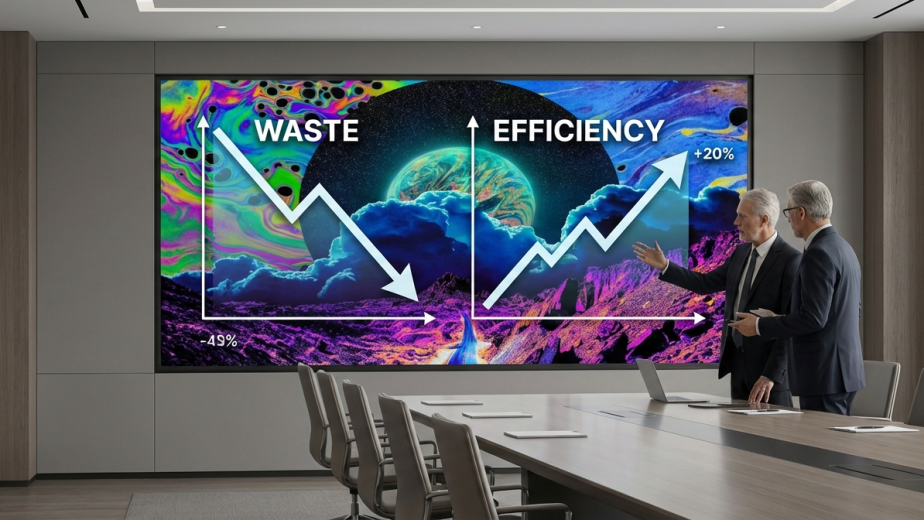
Efficiency has quietly replaced expansion as the most important word in modern marketing boardrooms.
For years, growth was synonymous with increased media spend. More impressions. More platforms. More frequency. More automation.
But in 2026, global advertisers are reassessing that equation.
Rising costs, platform opacity, ad fraud, signal loss, and declining attention have forced CFOs and CMOs to ask a more disciplined question:
Are we growing — or are we just spending?
The Illusion of Scale
Digital advertising made it deceptively easy to scale.
Programmatic platforms promised:
Infinite inventory
Granular targeting
Real-time optimisation
Automated performance growth
On paper, dashboards showed rising impressions and expanding reach.
But dashboards do not always reflect reality.
As global ad spend pushes past $1 trillion, marketers are discovering that scale without efficiency becomes expensive noise.
Not all impressions are equal.
Not all clicks are human.
Not all reach is meaningful.
From Volume Metrics to Value Metrics
The strategic pivot happening inside major organisations is subtle but significant.
The focus is shifting from:
Total impressions
Click-through rate
CPM volume
Toward:
Verified exposure
Attention quality
Invalid traffic reduction
Cost per genuine interaction
This is not a cosmetic change.
It reflects deeper financial discipline.
When 20–30% of digital spend may be affected by fraud or invalid traffic, efficiency is no longer a performance tweak — it is risk management.
The CFO Perspective
Marketing budgets are increasingly scrutinised at board level.
Finance leaders are asking:
Where is waste occurring?
What portion of spend is unverifiable?
How dependent are we on opaque ecosystems?
What is the true cost of invalid traffic?
Efficiency is no longer a marketing preference.
It is a governance requirement.
Structural Drivers of Waste
Several forces are pushing this efficiency conversation:
1. Automation Complexity
As programmatic systems grow more complex, visibility into supply chains diminishes.
2. AI-Driven Volume
Automated content and bidding systems accelerate scale — sometimes without proportional return.
3. Ad Fraud Industrialisation
Fraud-as-a-Service and AI-driven bots increase synthetic engagement.
4. Attention Fragmentation
Consumers are exposed to more ads than ever — but attention capacity has not increased.
The result?
More spend.
More noise.
Less certainty.
“Growth without efficiency is not scale — it’s leakage.”
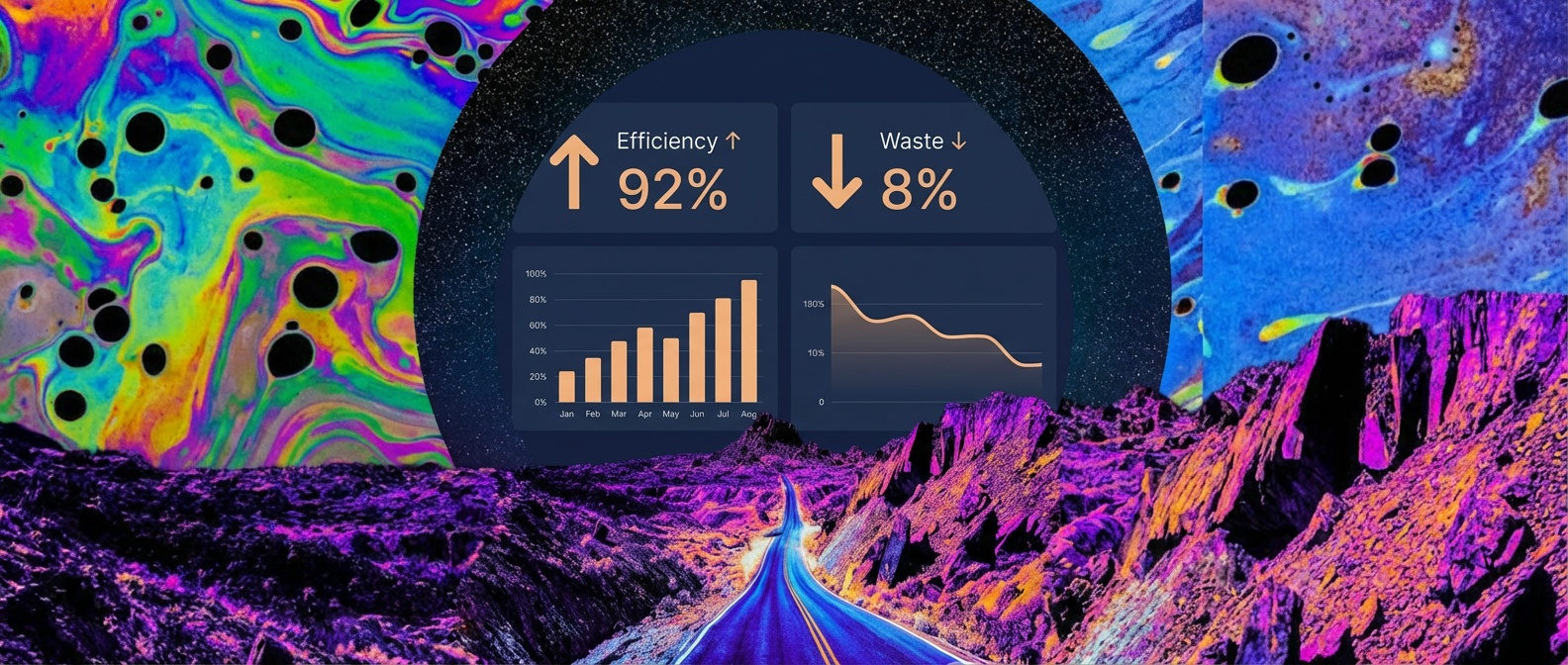
Campaign Reporting Summary
The Strategic Implication
Efficiency does not mean spending less.
It means demanding more accountability per dollar.
In 2026, brands that win will not necessarily be those that shout the loudest — but those that control their exposure environments and measure performance rigorously.
As digital ecosystems expand, marketers must evaluate:
Where is engagement verifiable?
Where is inventory controlled?
Where can exposure be validated in the real world?
Efficiency is not about shrinking ambition.
It is about reducing waste.
Why This Matters
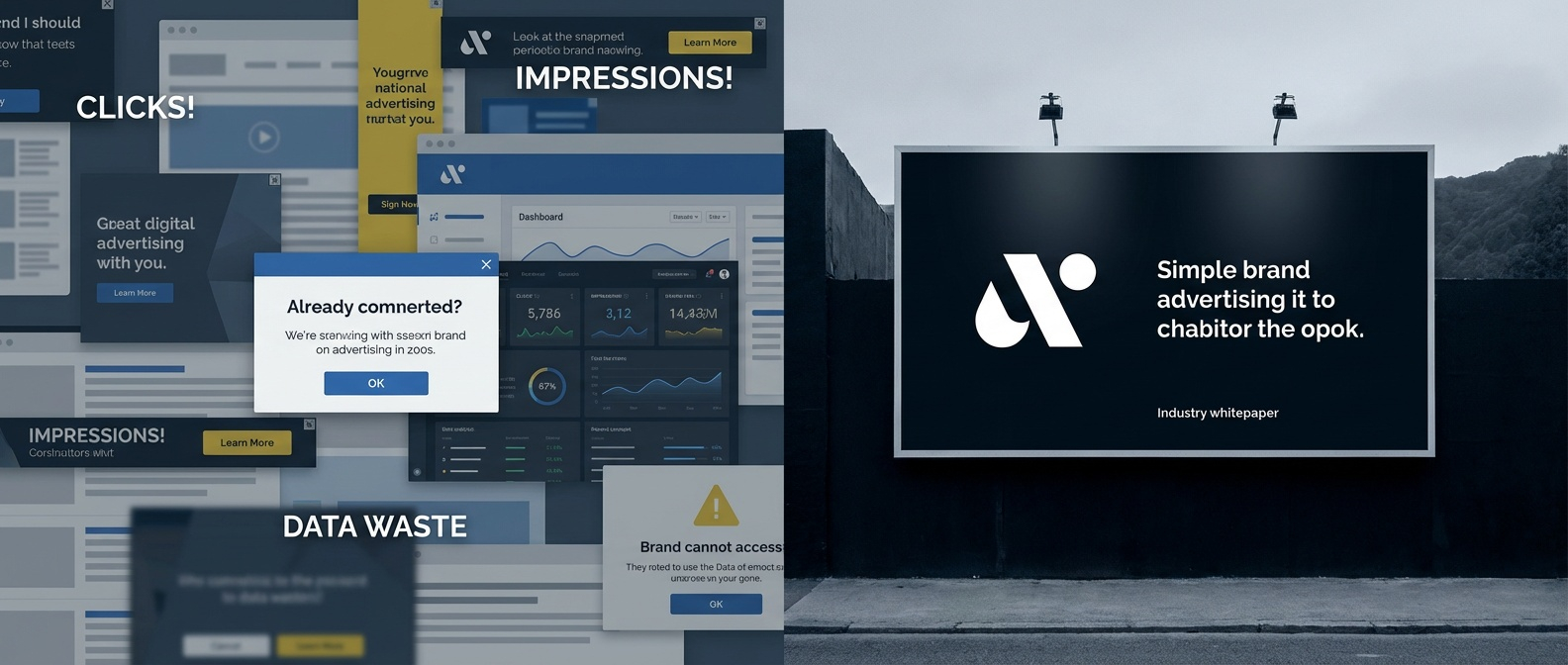
This campaign demonstrated a shift in how urban advertising can function.
Static billboards deliver exposure.
Mobile QR-enabled infrastructure delivers:
Engagement
Data
Accountability
Campaign optimisation
Brand a Bike does not sell bike branding.
It deploys measurable urban media infrastructure.